30 May 2026
Loyalty Ladder Adjustments: Reshaping Retention Among Regular Online Wagerers
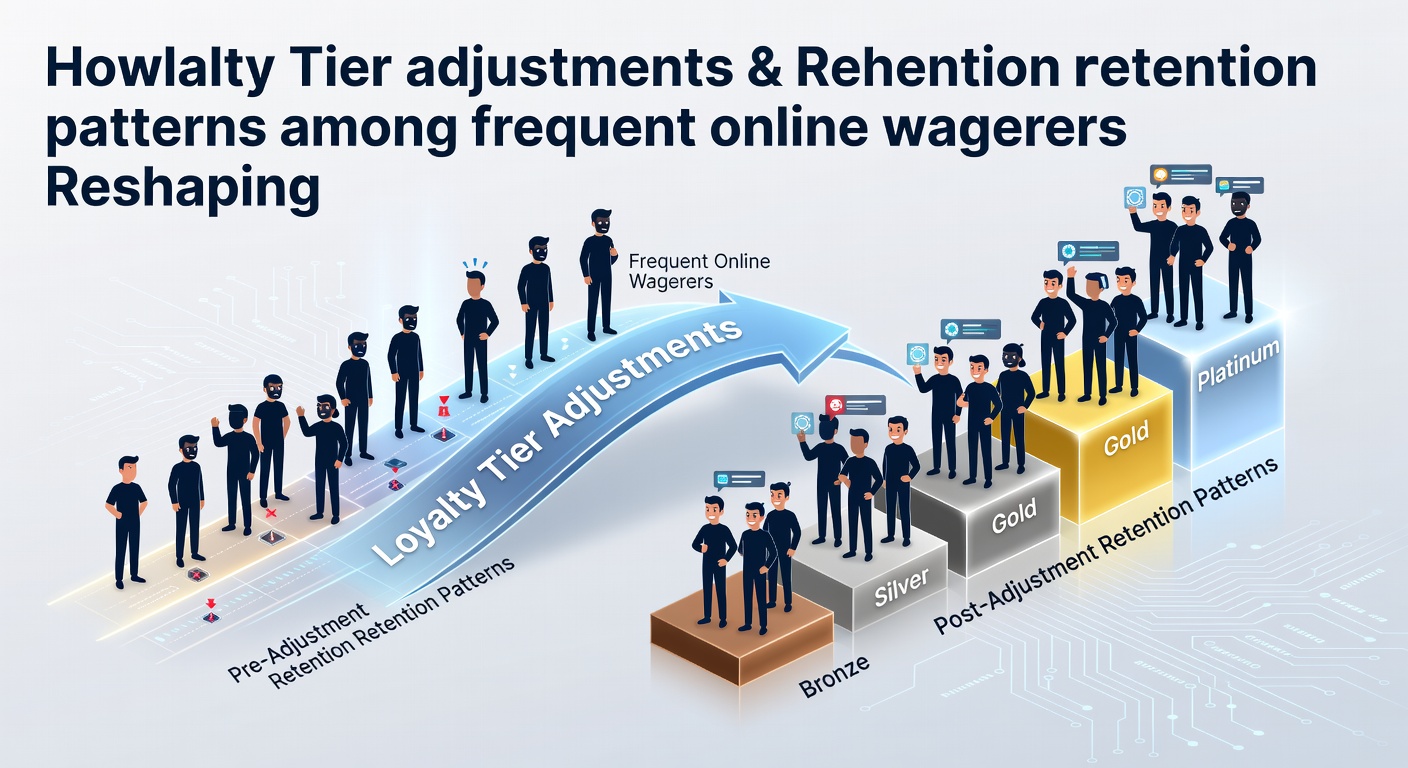
Operators in the online wagering sector have started recalibrating loyalty tier structures, and these moves directly influence how frequent bettors maintain their accounts over extended periods. Data from multiple markets shows that changes to entry thresholds, reward multipliers, and tier expiration rules alter churn rates among high-volume users, with some segments exhibiting increased activity while others reduce engagement after adjustments take effect.
Mechanics Behind Tier Recalibrations
Most platforms organize loyalty programs into ascending levels that unlock progressively better benefits, including cashback percentages, faster withdrawal processing, and exclusive event access. When operators raise the activity requirements for mid-tier advancement, players who previously hovered near those thresholds often face demotion risks, prompting shifts in betting volume as they work to retain status or abandon the pursuit altogether. Research from the University of Nevada's gaming studies department indicates that such threshold increases correlate with a measurable uptick in session frequency among those already close to promotion, whereas lower-activity users show higher dropout rates within three months of implementation.
Observed Retention Patterns Across Segments
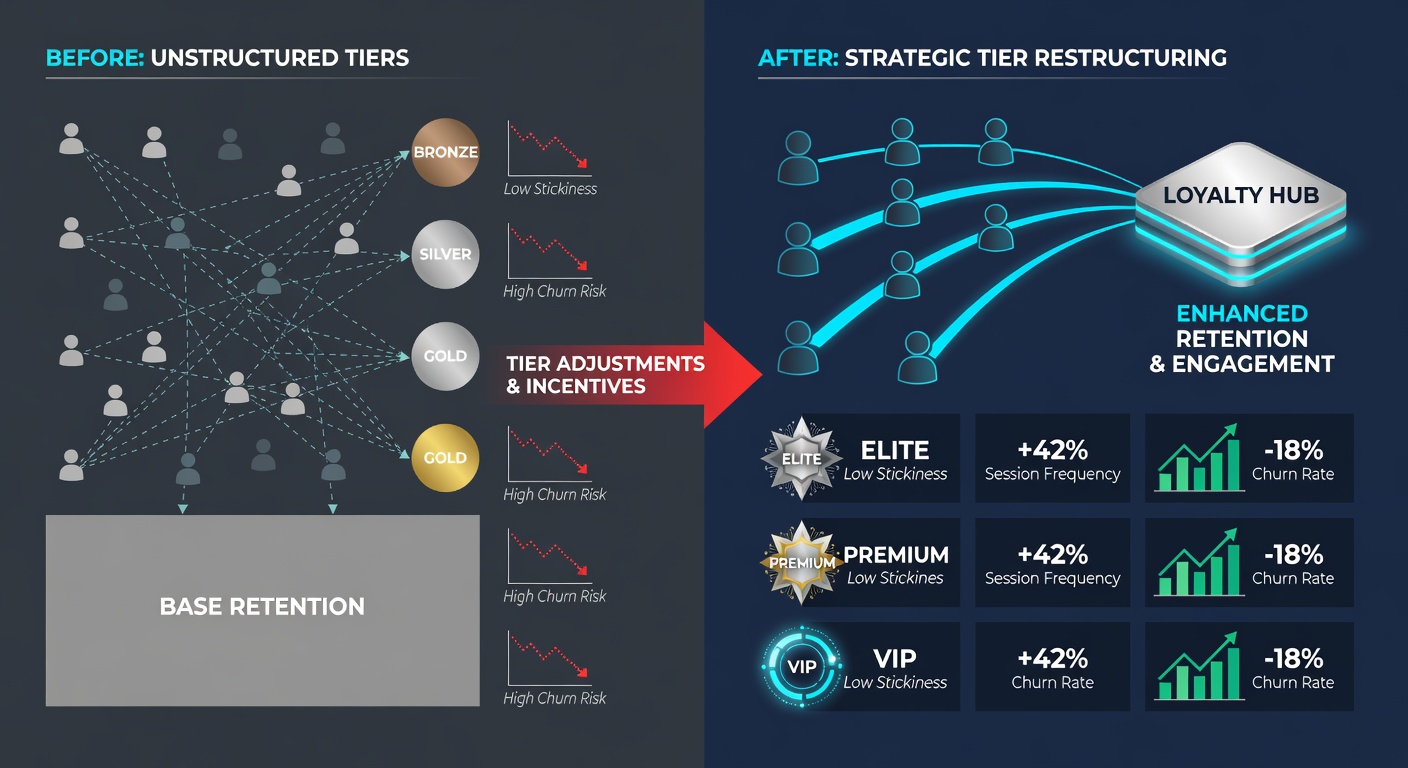
Frequent wagerers respond differently based on their historical spend and tier proximity. Those already entrenched in top tiers tend to sustain or even increase their activity when operators introduce bonus accelerators tied to new requirements, because the perceived value of maintaining elite status remains high. Mid-tier participants, however, demonstrate more volatility; adjustments that extend qualification periods produce steadier retention curves, while sudden point devaluations trigger account dormancy spikes according to aggregated operator reports shared at industry conferences.
What's interesting is how geographic factors intersect with these changes. Markets with stricter responsible gambling frameworks see slower adoption of aggressive tier hikes, whereas regions allowing more flexible reward structures witness quicker experimentation with dynamic point systems that reset monthly. Observers note that these variations create distinct retention signatures, with European operators reporting steadier high-tier hold rates compared to North American counterparts experimenting with accelerated qualification windows.
Case Examples From Recent Adjustments
Take one major European operator that modified its silver-to-gold transition criteria in early 2025 by extending the required activity window from 90 to 120 days. Retention among silver-tier users who had previously cycled through quarterly promotions dipped initially, yet those who adapted by consolidating bets into fewer but larger sessions maintained their status at rates exceeding prior benchmarks. Similar patterns emerged in Australian markets where point expiration rules tightened, leading frequent users to front-load activity ahead of deadlines rather than spread wagers evenly.
Another adjustment wave scheduled for rollout in May 2026 involves several operators introducing tier-specific live betting multipliers, a move expected to test whether real-time reward enhancements can offset any friction created by higher baseline requirements. Early modeling shared by industry analysts suggests these layered incentives could stabilize retention among live-betting enthusiasts while leaving traditional pre-match users less affected.
Data Sources and Measurement Approaches
Retention metrics in this space typically track account activity over 90-day and 180-day windows, comparing pre- and post-adjustment cohorts. According to findings published by the Nevada Gaming Control Board research partners, operators that pair tier changes with transparent communication about new benefit structures experience lower immediate churn than those implementing silent modifications. Canadian provincial data from regulatory reviews further shows that frequent wagerers value clarity around point carry-over policies, with programs offering partial rollovers retaining more users during transition periods.
Academic analyses from institutions tracking behavioral economics in gambling environments reinforce these observations, highlighting how loss aversion influences responses to tier demotion threats more strongly than equivalent gains in reward potential. These studies emphasize the role of personalized notifications in softening negative retention impacts when thresholds rise.
Conclusion
Loyalty tier adjustments continue to serve as a primary lever for operators seeking to balance acquisition costs against long-term player value, and the resulting retention patterns reveal clear segmentation effects across user activity levels. As May 2026 approaches and additional structural shifts enter the market, the interplay between requirement changes and reward framing will likely determine which segments maintain consistent engagement and which migrate toward competitors with more stable tier architectures. Ongoing measurement through cohort analysis remains essential for identifying sustainable configurations that support both operator objectives and player continuity.