1 Aug 2026
How High Altitude and Acclimatization Influence Performance in Mountain Sports Events
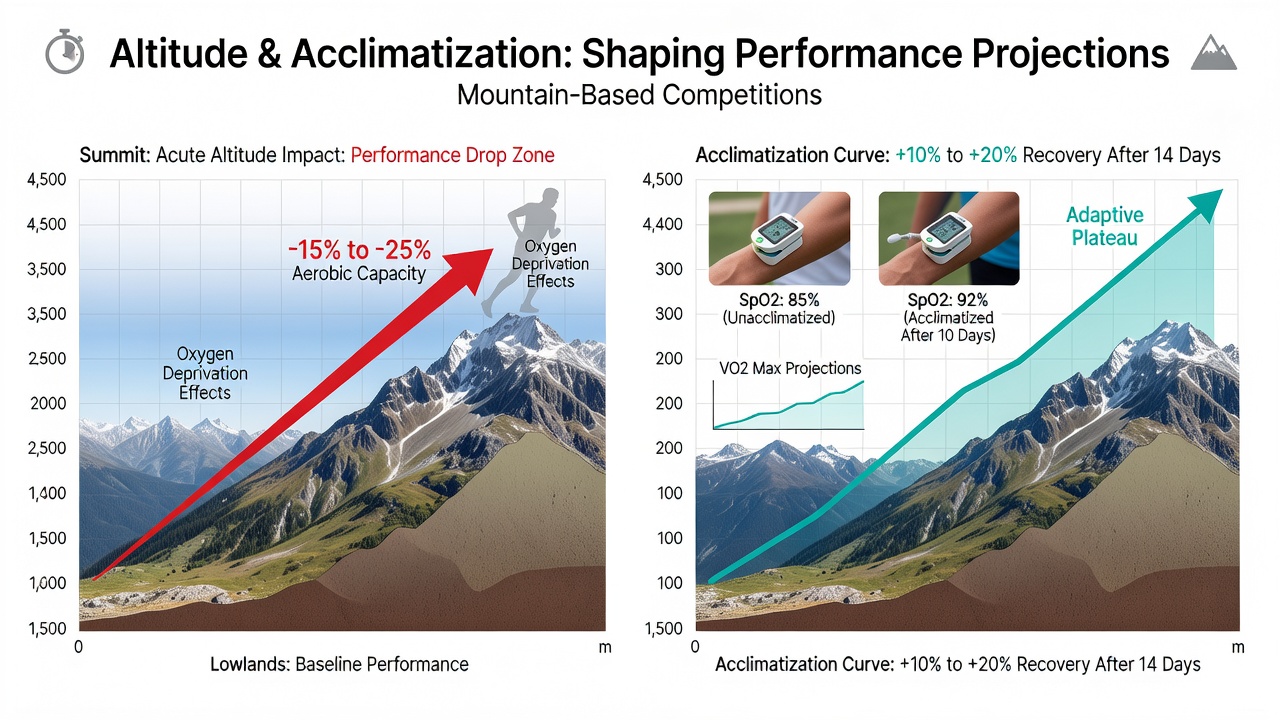
Mountain-based competitions present unique physiological demands that reshape how athletes prepare and perform, since reduced oxygen availability at elevation directly alters endurance capacity, power output, and recovery rates. Research from institutions across multiple continents shows that events staged above 1,500 meters require specific acclimatization protocols, because hemoglobin concentration rises and plasma volume shifts occur within days of exposure. Data collected during the 2024 Tour de France stages in the Alps and Pyrenees revealed average power outputs dropping 5 to 8 percent on climbs exceeding 2,000 meters compared with sea-level equivalents, while heart rates climbed higher for the same workload.
Physiological Responses to Reduced Oxygen
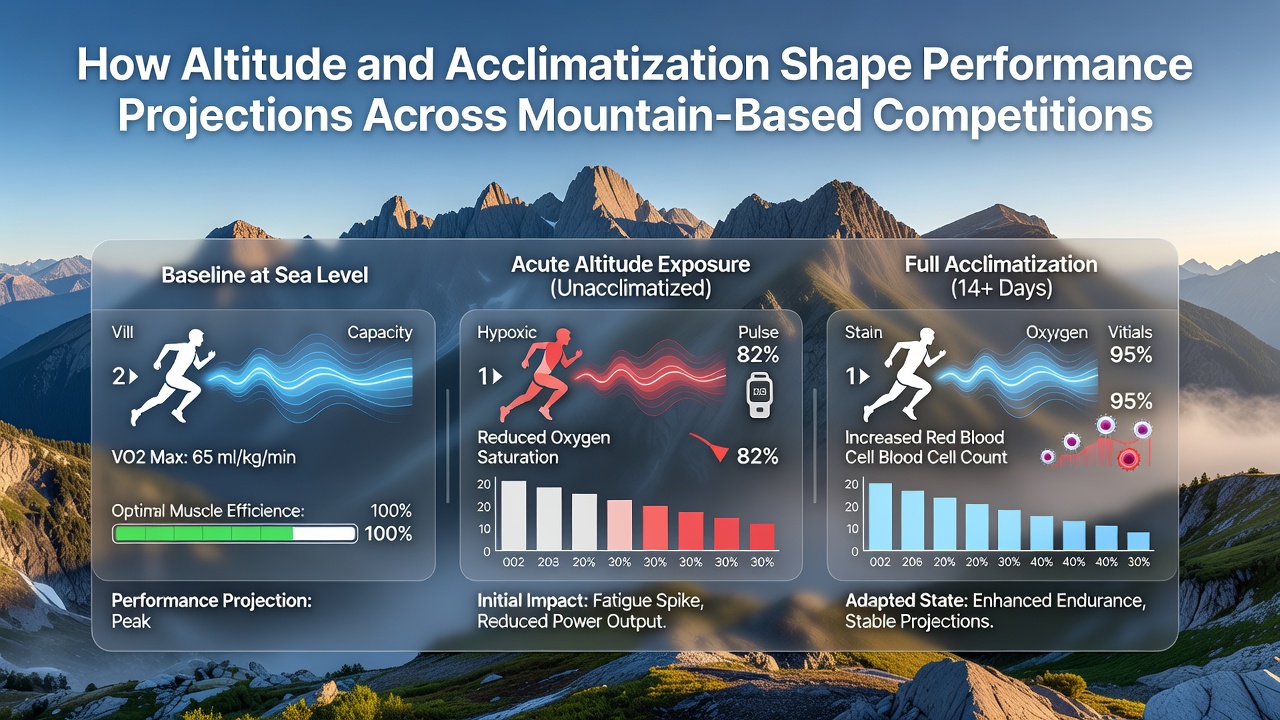
At higher elevations the partial pressure of oxygen falls, triggering immediate increases in ventilation rate and heart rate as the body compensates for lower arterial saturation. Studies coordinated by the Australian Institute of Sport and the University of Calgary demonstrate that after 24 to 48 hours above 2,500 meters, erythropoietin production accelerates red blood cell formation, yet this adaptation takes several weeks to reach meaningful levels. Meanwhile muscle buffering capacity declines and lactate accumulation accelerates during intense efforts, which explains why time-trial performances in events such as the Vuelta a España suffer measurable setbacks on summit finishes.
Acclimatization Timelines and Strategies
Effective acclimatization follows a predictable sequence that observers note varies slightly by individual genetics and prior exposure history. The first three to five days focus on increased breathing volume and plasma volume contraction, which concentrates existing red cells but also raises dehydration risk. Subsequent weeks allow erythropoiesis to elevate total hemoglobin mass, a change documented in research published by the Canadian Sport Institute Pacific. Athletes who arrive three weeks early for competitions like the Leadville 100 ultramarathon or the Everest Marathon typically exhibit 3 to 5 percent improvements in submaximal economy compared with those who ascend only days beforehand.
Training camps organized at intermediate altitudes between 1,800 and 2,400 meters allow progressive overload without excessive fatigue, while periodic descents to lower elevations for high-intensity sessions preserve neuromuscular recruitment. National teams from Kenya and Ethiopia, which dominate distance events, routinely incorporate such live-high train-low patterns before major mountain races, and performance records from the World Athletics Mountain Running Championships reflect consistent advantages for groups following structured altitude blocks.
Performance Projections Across Disciplines
Projections for endurance events adjust expected finishing times upward by roughly 1 percent per 100 meters gained above 1,500 meters once acclimatization is incomplete, according to models developed by exercise physiologists at the University of Colorado. In contrast, shorter explosive efforts such as ski mountaineering sprints show smaller decrements because anaerobic metabolism predominates, yet recovery between repeated bouts lengthens noticeably. August 2026 schedules include several high-profile mountain stages in both the Giro d'Italia Donne and the UCI Mountain Bike World Cup, where teams already factor these elevation penalties into pacing strategies and selection decisions.
Case examples from the 2023 Kilian Jornet-led Fastest Known Time attempts on major alpine routes illustrate how prior acclimatization windows of four to six weeks correlate with sustained paces that non-acclimatized athletes cannot match. Organizers of the Ultra-Trail du Mont-Blanc have published participation data indicating that runners reporting structured altitude preparation finish with lower rates of medical withdrawals related to acute mountain sickness.
Monitoring and Risk Mitigation
Medical guidelines issued by the International Mountaineering and Climbing Federation emphasize staged ascents and daily monitoring of oxygen saturation and symptom scores to reduce incidence of high-altitude pulmonary and cerebral edema. Teams now employ portable blood analyzers and wearable pulse oximeters during training blocks, allowing real-time adjustments that keep athletes within safe thresholds. Projections generated by sports science groups in Norway and New Zealand incorporate these variables when forecasting podium probabilities for upcoming events, because unacclimatized competitors face both performance losses and elevated health risks that can remove them from competition entirely.
Conclusion
Altitude exposure and the subsequent acclimatization process remain central variables that shape outcomes across mountain-based competitions, with physiological adaptations occurring on timelines measured in days to weeks rather than hours. Data from diverse research programs and event records demonstrate measurable performance shifts that organizers, coaches, and athletes account for through planned arrival schedules, training camp locations, and in-race monitoring protocols. Continued refinement of these approaches, supported by international studies, continues to inform preparation standards for competitions scheduled through 2026 and beyond.