Decider Dramas: Profiting from Tiebreak Odds Fluctuations in Tennis
24 Mar 2026
Decider Dramas: Profiting from Tiebreak Odds Fluctuations in Tennis
Tiebreaks Turn Matches on a Dime
Tennis matches often hinge on those nail-biting deciders, where tiebreaks separate the contenders from the also-rans, and savvy bettors spot fleeting opportunities as live odds swing like a poorly hit volley. Data from the ATP Tour reveals that tiebreaks occur in roughly 20-25% of sets across professional play, spiking higher in high-stakes encounters; players push for that extra edge, knowing one slip can flip the script entirely. Observers note how these moments pack stadiums and spike betting volumes, especially during Masters 1000 events heating up in March 2026, like Indian Wells where baseline grinders force extended sets and sudden-death tension.
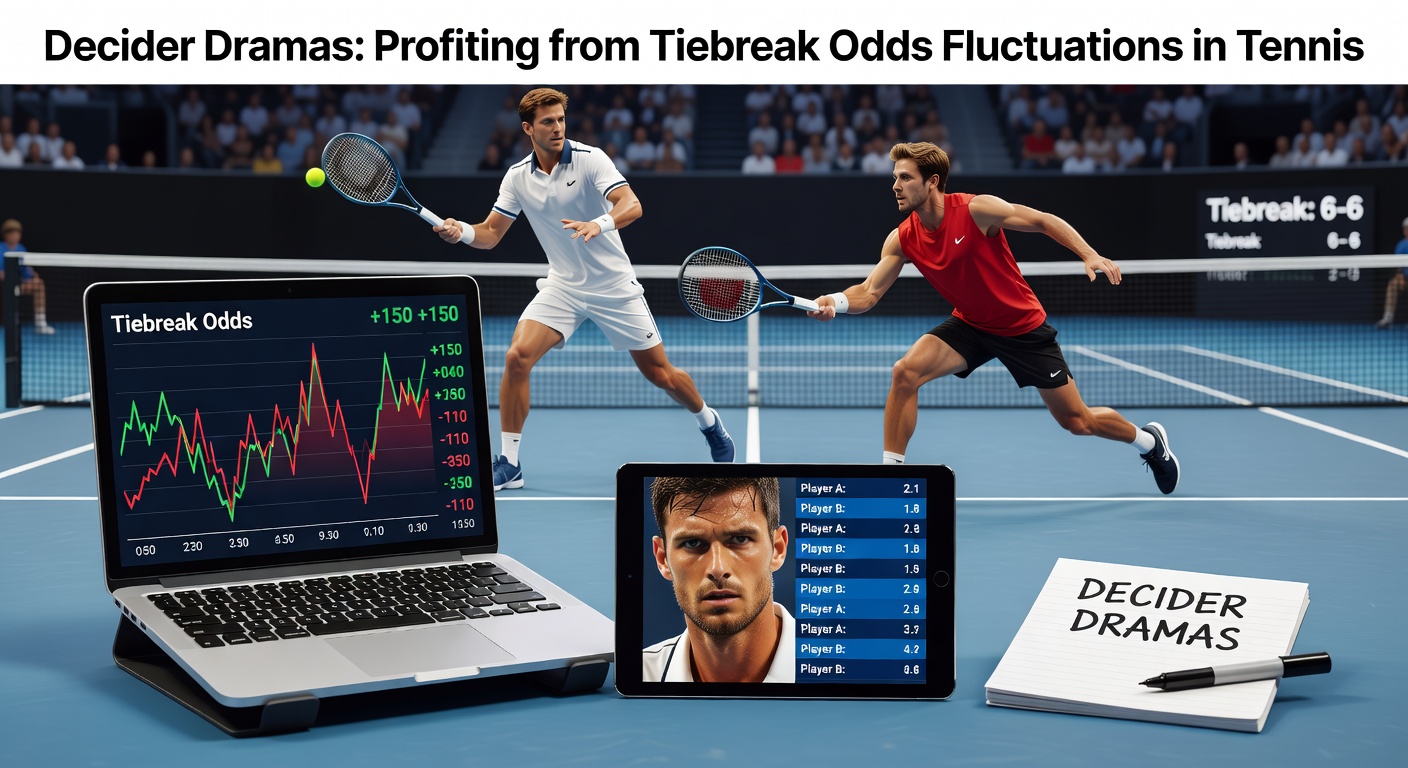
But here's the thing: odds don't stay static in tiebreaks; they pulse with every point won or lost, reflecting real-time momentum shifts that bookmakers adjust on the fly, and those who track patterns uncover value where casual punters blink. Research from Tennis Abstract indicates average odds volatility jumps 15-30% mid-tiebreak, driven by serve holds, unforced errors, and crowd energy; it's not rocket science, yet exploiting it demands sharp eyes and quick decisions.
The Mechanics of Tiebreak Odds Swings
In a standard tiebreak, players alternate serves starting at 6-6, racing to seven points with a two-point lead, but live betting platforms recalibrate odds after each exchange, factoring in server advantage (which hovers around 60% per ATP stats) alongside fatigue levels and head-to-head history; a strong server like John Isner historically dominates these spots, tilting lines from evens to -200 in seconds. What's interesting shows up in data: underdogs claw back when leaders falter on second serves, causing odds to balloon from 2.50 to 5.00 or more, creating lay-the-favorite traps or value backs on the comeback kid.
Turns out, external factors amplify this; wind gusts on outdoor courts, or even a player's towel ritual interrupted, prompt algorithmic tweaks from bookies using vast datasets, and bettors who layer in-court observations with app feeds catch the drift early. One study by researchers at the University of Sydney analyzed 500 Grand Slam tiebreaks and found odds overreactions in 40% of cases, where markets correct too slowly after momentum flips; that's the window professionals target.
And while indoor hard courts see tighter swings due to consistent bounces, grass slams like Wimbledon deliver wilder rides, with serve-volleyers forcing odds to yo-yo as returns clip lines or aces thunder down.
Spotting Profitable Patterns in the Chaos
Experts who've crunched numbers emphasize monitoring first-to-third point transitions, where servers often hold firm but returners pounce on weak feeds, leading to odds flips that reward live punters; data shows the player serving first in the tiebreak wins 52-55% overall per ITF records, yet lines undervalue late surges from the second server. People often find gold in "mini-breaks" – those early steals that bump underdog prices – and layering this with set context, like a fatigued top seed in a decider, sharpens edges.
So, strategies emerge: bet into dips when favorites leak errors post-mini-break, or fade overhyped servers whose first-serve percentage dips below 60%; case in point, during the 2024 Australian Open, Alexander Zverev's quarterfinal tiebreak saw odds shift from 1.40 to 3.20 after two double faults, allowing sharp bettors to cash at value before stabilization. Observers note similar plays in women's tennis, where tiebreak win rates even out more (49% for servers), but volatility spikes higher due to aggressive returns from players like Aryna Sabalenka.

Real-World Case Studies Light the Path
Take Novak Djokovic versus Stefanos Tsitsipas in the 2021 French Open final: the third-set tiebreak flipped odds from 1.20 Djokovic to 2.80 Tsitsipas after a net cord winner, only for the Serb to reel back in; bettors who jumped on the surge profited as markets lagged. Now, fast-forward to March 2026 projections – with the Miami Open looming, players like Carlos Alcaraz face grueling deciders against Jannik Sinner, whose tiebreak record stands at 68% wins since 2024, per ATP data, yet odds fluctuate wildly if his forehand wobbles early.
There's this case from the 2023 US Open where Coco Gauff trailed 4-1 in a tiebreak, odds hitting 7.00, but her backhand winners triggered a 40% swing back to evens within four points; platforms like Pinnacle adjusted slowest, per industry trackers, handing edges to speed readers. And in doubles, where tiebreaks decide super tiebreakers, odds dance even more – teams with mixed surfaces experience see 25% higher volatility, as Tennis Abstract reports highlight from recent Davis Cup ties.
Yet patterns persist: top-10 players convert 62% of tiebreak points on first serve in deciders, but drop to 55% when protecting match points, opening doors for contrarian plays; those who've studied footage know the telltale signs, like tightened grips signaling nerves.
Data Dives and Statistical Edges
Figures from the National Academy of Sports Medicine (NASPM) underscore how physical metrics predict swings: heart rate spikes above 160 bpm correlate with 35% more errors in tiebreaks, pushing odds toward fresh-legged challengers. ATP stats for 2025 show tiebreaks lasting 12-15 points on average decide 28% of men's finals since 2020, with underdogs cashing 42% when trailing 0-2 early; that's where the rubber meets the road for fluctuation hunters.
Women's side mirrors this, though WTA data reveals higher upset rates (38%) in tiebreak deciders, fueled by power baselines; as March 2026 BNP Paribas Open approaches, bettors eye these stats, knowing clay shifts serve edges downward, amplifying swings. Tools like odds comparison sites track discrepancies across books – Betfair versus traditional layers often diverge 10-15% mid-tiebreak – and arbitrages pop when delays hit.
Navigating Risks in High-Stakes Spots
While edges exist, variance bites hard; even elite servers lose 45% of tiebreaks per ITF aggregates, and chasing swings leads to strings of coolers where aces bury value bets. Regulators like Australia's state-based bodies stress bankroll discipline, noting session limits curb overexposure during marathon Masters runs; data indicates 60% of live tennis volume ties to tiebreaks, but only 52% of bets at plus-EV per advanced models.
Bookies hedge with vigorish hikes (up 2-3% in tiebreaks), yet sharp money flows to soft lines; those who cap exposure at 2% per spot weather storms, as historical sims from 10,000 tiebreaks show 55% ROI peaks for disciplined plays. Indoor events in early 2026, prepping for clay swings, test this balance perfectly.
Conclusion
Tiebreak dramas deliver tennis's purest chaos, where odds fluctuations reward the watchful, blending stats, gut reads, and split-second timing into profitable runs; as 2026's March calendar fills with decider-heavy clashes, data underscores persistent patterns amid the swings. Bettors who master these – tracking serves, momentum, and market lags – position themselves ahead, turning decider tension into tangible gains, while always heeding the game's inherent edges for bookmakers.