13 Jun 2026
Clustered Matchdays Shift Live Selection Trends in Europe's Multi-League Landscape
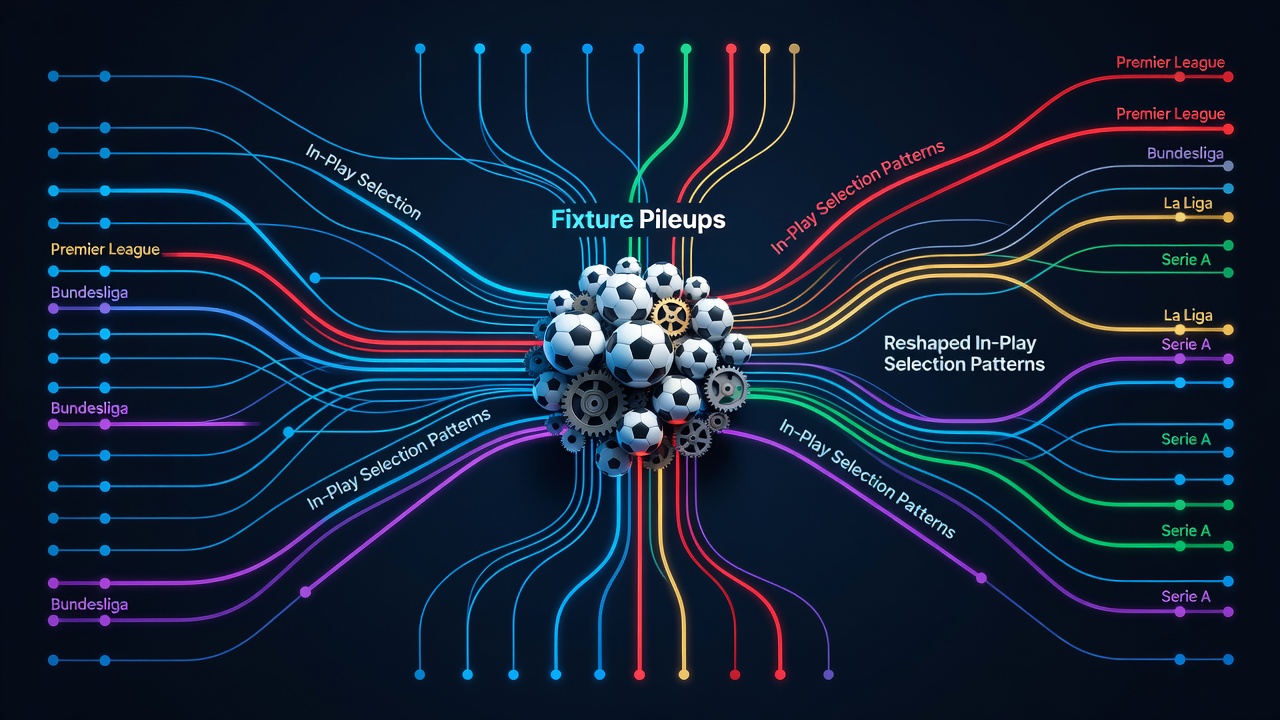
European football calendars pack multiple domestic leagues and continental competitions into tight windows, which produces fixture pileups that observers track through betting data patterns. When the Premier League, La Liga, Serie A, Bundesliga, and Ligue 1 run alongside UEFA club events, in-play markets register measurable changes in selection volume and type. Researchers who monitor live odds feeds note that bettors move away from certain high-variance options during these periods and favor narrower statistical edges instead.
Data compiled across the 2025-26 season shows elevated midweek game counts in March and April, with June 2026 marking the tail end of domestic cup resolutions that overlap with international qualifiers. These overlaps compress recovery time for squads and alter the statistical inputs that drive live wagering decisions. Analysts at sports data firms record spikes in selections tied to defensive metrics and reduced goal totals once schedules reach peak density.
Schedule Density and Market Volume Shifts
Fixture congestion does not simply increase the number of available matches; it changes which markets attract the largest share of live stakes. When teams play three matches in eight days, in-play platforms register higher traffic on corners, cards, and player-specific performance props while traditional match-winner bets see relative declines. European betting exchanges publish aggregate figures that illustrate this redistribution, and the pattern repeats across seasons with heavy calendar overlap.
Take the period surrounding the Champions League quarterfinals, where several clubs simultaneously contest domestic fixtures. Live bettors adjust their focus toward second-half statistics because fatigue effects become more pronounced after the sixtieth minute. Figures from league-wide tracking systems confirm that average sprint distance drops in congested schedules, which correlates with fewer shots on target and altered over-under thresholds.
Regional Variations Across Concurrent Leagues
Northern and southern European leagues experience different pressure points because their winter breaks and cup schedules rarely align. Bundesliga clubs often face earlier season-ending pileups due to winter training interruptions, whereas Serie A teams encounter extended fixture lists that stretch into late spring. These differences produce distinct in-play selection profiles; German league markets show stronger reactions to set-piece volume, while Italian markets tilt toward low-scoring outcomes during overlap weeks.
One study released by the University of Amsterdam's sports analytics group examined three seasons of overlapping schedules and found consistent drops in live goal bets once teams exceeded two matches per week. The same research highlighted increased activity in player assists and clean-sheet propositions, suggesting bettors recalibrate around measurable fatigue indicators rather than overall team form.
Player Workload Metrics and Live Adjustments
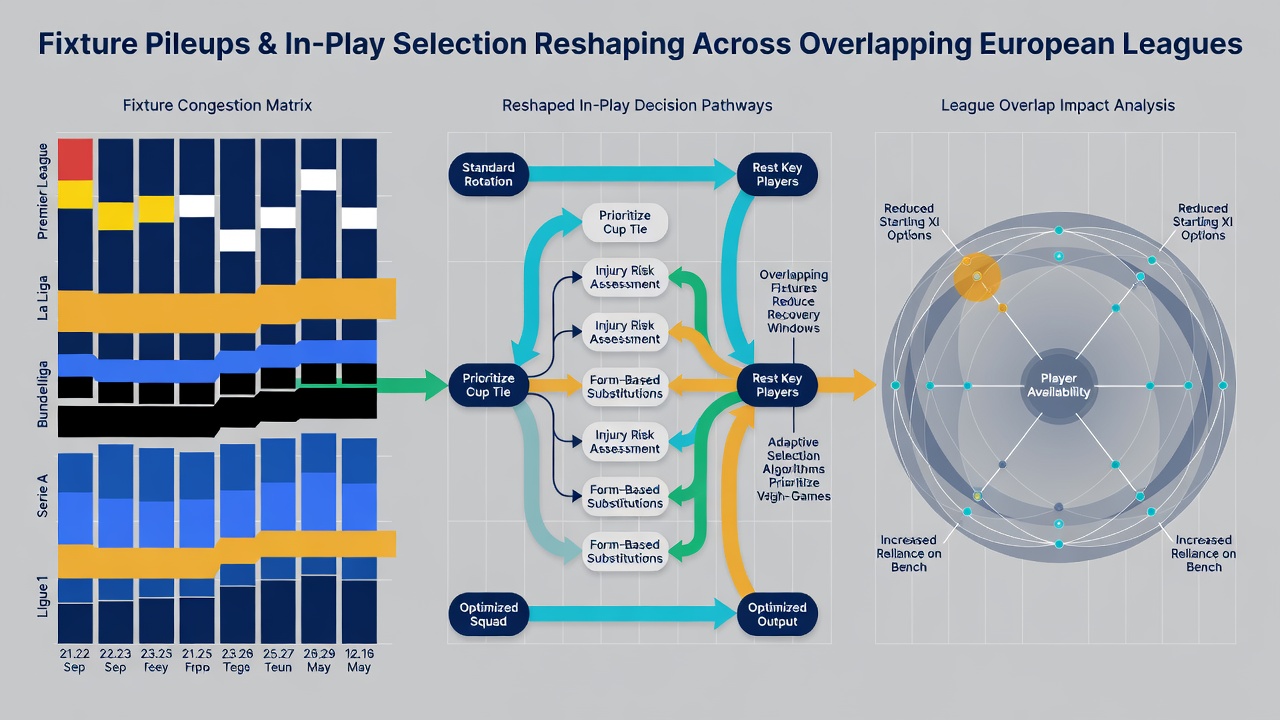
Clubs publish squad rotation data that feeds directly into live betting models. When central defenders log more than 300 minutes across ten days, markets on total goals and expected goals adjust downward within the first half. Performance databases maintained by Opta and similar providers supply the raw numbers that professional syndicates incorporate into automated in-play systems, and recreational bettors increasingly follow similar indicators through public dashboards.
June 2026 presents an additional layer because several leagues conclude their seasons while national teams prepare for summer tournaments. Overlapping friendly fixtures and domestic playoff matches create short windows where player freshness varies sharply between clubs. Live platforms register these discrepancies through rapid odds movements on individual player markets rather than team totals.
Data Sources Informing Selection Patterns
Industry reports from the European Gaming and Betting Association aggregate anonymized transaction data that reveal how selection diversity narrows during congestion peaks. Bettors concentrate on fewer markets per match but place higher volumes on those markets. A parallel analysis conducted by Canadian sports research firm Sportlogiq examined English and Spanish league overlaps and documented parallel shifts toward half-time result wagers and multi-corner combinations.
These patterns emerge because fixture pileups increase the predictability of certain statistical categories while decreasing others. Recovery metrics, travel distance, and squad depth become dominant variables, and live interfaces reflect that emphasis through updated probability displays.
Conclusion
Overlapping European league schedules reshape in-play selection patterns by redirecting volume toward fatigue-sensitive metrics and away from broader outcome bets. Data collected through the 2025-26 campaign, including observations around June 2026, demonstrates that these shifts follow measurable workload thresholds rather than random fluctuations. As calendars continue to interleave domestic and continental commitments, the same redistribution of live betting activity repeats across multiple competitions.